1080P Security Cameras Posts

Posted

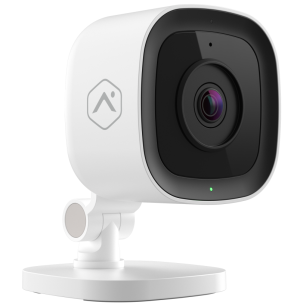
If you have one or more Alarm.com Cameras set up for onboard recording using an installed SD card, then there is a new Alarm.com webpage you may want to check out when accessing ADC from a web browser. The new SD Card Information Page will show details about the SD card inside your camera.

For those unfamiliar with Alarm.com Onboard Recording, it basically allows a compatible Alarm.com Security Camera to store its captured video footage to a Micro SD card that is on-board the camera device. You can then access the footage remotely from the Alarm.com website or mobile app. The feature really became popular after the Alarm.com ADC-SVR122 Streaming Video Recorder was discontinued.

The following cameras support the Onboard Recording feature:

Camera Model Minimum Firmware
To Use Feature
Maximum SD Card Size And
Required Firmware Version
ADC-V515 0.0.5.096+ 1.5 TB on firmware version 0.0.5.728+
ADC-V516 - 1.5 TB on firmware version 0.0.3.104+
ADC-V523/523X 0.6.1.151+ 1.5 TB on firmware version 0.8.6.060+
ADC-V723/723X 0.6.1.151+ 1.5 TB on firmware version 0.8.6.060+
ADC-V724/724X - 1.5 TB on firmware version 0.8.6.060+
ADC-V730 - 1.5 TB on firmware version 05009+
ADC-VC727P - 1.5 TB on firmware version 0.8.6.060+
ADC-VC827P - 1.5 TB on firmware version 0.8.6.060+
ADC-VC847PF - 1.5 TB on firmware version 0.8.6.060+
ADC-VC838PF - 1.5 TB on firmware version 0.8.6.060+
ADC-VC728PF - 1.5 TB on firmware version 0.8.6.060+
ADC-V729/V729AC/VC729P - 1.5 TB on firmware version 0.8.6.060+
ADC-VDB775 - 1.5 TB on firmware version 04016+
ADC-V530 - 1.5 TB on firmware version 0.0.2.066+
ADC-VC7398PA - 1.5 TB on firmware version 5.0.1+
ADC-VC8498PA/VC8498PVT - 1.5 TB on firmware version 5.0.1+
ADC-VC8295PA/VC8295PVT - 1.5 TB on firmware version 5.0.1+
ADC-VDB770* 02234+ 512 GB on firmware version 02234+

The new SD Card Information Page can be very useful for anyone using the Alarm.com Onboard Recording feature. The page shows all of the critical details for the SD card that is installed inside one of the compatible Alarm.com Cameras. This may include how much storage space is available for footage. You can also use the page to reformat an SD card, which you might need to do if the SD card was previously used inside a different device.

You can only access the SD Card Information Page if you have the Onboard Recording Feature enabled for your Alarm.com account and you have at least one compatible camera set up to use the feature, with a Micro SD card installed. Also note that you can only access the page from the Alarm.com website. It is not found within the Alarm.com Mobile App. To access the page, login to the Alarm.com website, and choose Video, followed by Settings, and then SD Card Information.

Have you tried out the Alarm.com Onboard Recording Feature yet? If you have, please leave a comment down below to let us know what you think of the feature. Also, do you think the SD Card Information Page will come in handy? Let us know in a comment down below. We will be back with more security system news soon, so keep checking the Alarm Grid Blog!

Tags: , , , , , , , ,

Comments


Posted By

If you have a new Alarm.com Security Camera or you are thinking about getting one, then you may want to know just how easy it is to get a camera online and paired with your personal Alarm.com account. Today, we're looking at the setup process for the ADC-V515, ADC-V523, and ADC-V723.


You may recall that the ADC-V515, ADC-V523, and ADC-V723 were our Top Alarm.com Camera Picks in a post we made a couple of months ago. These are indeed the cameras you will most likely be considering if you are a residential user. They're great because they can be powered with a simple plug-in adapter that comes included with each device, and they are also extremely easy to pair with the local WIFI in your home. Plus, the ADC-V515 and ADC-V523 Indoor Cameras can be rested on a desk, table, or countertop for a tools-free installation. The ADC-V723 Outdoor Camera needs to be hard-mounted, so you will have to break out the toolkit to install that one. But just drill a few holes and secure the camera's backplate using included screws, and that camera will also be ready to go.

The other popular Alarm.com Camera for residential use is the ADC-V622, which is also sometimes called the Alarm.com Wellcam. Unlike the other three (3) cameras, Alarm.com markets the ADC-V622 for more of an "independent living" solution so that you can monitor a loved one. It can make a good security camera as well, though its applications are usually a bit different. Alarm.com also has a great lineup of commercial security cameras, which you can usually identify by having a C in the name (e.g. ADC-VC826). But for today, our focus is strictly on the three (3) main residential security cameras, the ADC-V515, ADC-V523, and ADC-V723. We may cover the other cameras in a future post as well, so stay on the lookout for that. But for now, besides the camera, the other things you need to get started are a home WIFI network and an alarm monitoring plan with video surveillance that includes access to Alarm.com, such as an Alarm Grid Platinum Plan. You can learn all about our monitoring plans in this post. Remember that you will only use Alarm.com Cameras if your security system supports Alarm.com, or if you choose to use a stand-alone video-only Alarm.com plan. If you have a Resideo or Honeywell Alarm System, then your system will most likely use Total Connect 2.0 instead of Alarm.com. In that case, there is a nice selection of TC2 IP Cameras you can choose from. But today, we're only looking at Alarm.com Cameras.

When you have a new Alarm.com camera, the first thing you will want to do is power it on. For the three cameras we're checking out today, the power adapter comes included. Most users find the stock setup to be sufficient, but Alarm.com does offer a convenient 9-foot extension cable called the Alarm.com ADC-VPE-9FT-W if you need an extra-long wire run to the nearest outlet. Alarm.com recommends extending the power wire no more than 100 feet. Once you plug the camera in, you can verify that it is receiving power by seeing that the camera's LED light has turned on.


The next step is to get the camera online. These are WIFI cameras that don't support wired ethernet options. You must get the camera connected to wireless WIFI internet. The ADC-V523 and ADC-V723 support both 2.4 GHz and 5 GHz networks. But the ADC-V515 only supports 2.4 GHz networks, and it will not support 5 GHz networks. Keep that in mind if you are using the ADC-V515. Each camera can be paired using AP Mode pairing or WPS pairing. Of these two methods, AP Mode pairing is more secure, and it is the method recommended by Alarm Grid. Check out any of the FAQs below for instructions on AP Mode pairing:

WPS, stands for WIFI Protected Setup. You can use WPS pairing as an alternate method for getting your Alarm.com Camera online. Although WPS pairing is usually seen as easier than AP Mode pairing, it isn't as secure, and it opens up the door for various network vulnerabilities. If you accept the risks, then we have guides showing WPS pairing as well.

Once your camera is online and has a solid green LED, all you need to do is pair it with your Alarm.com account. You can do this using the website or mobile app. Both methods are very easy, so it really comes down to preference as to which one you use. If you decide to pair through the website, then make sure you are using a compatible web browser for Alarm.com.

If you haven't tried out the Alarm.com Mobile App for controlling your system remotely, then setting up a camera through the mobile app can be an excellent way to show you how it works. Anyone with an Alarm.com account can use the mobile app at no extra charge, and you can conveniently download it for free from either the Google Play Store on Android or the Apple App Store on iOS. Then use one of these guides to pair your Alarm.com Camera:


We hope that you find these guides useful for setting up an Alarm.com Residential Camera. We will likely be covering the Alarm.com Wellcam ADC-V622 and the Alarm.com Commercial Security Cameras sometime in the near future, so stay on the lookout. Feel free to comment below to share your thoughts on Alarm.com Cameras. What do you like about them? Is there anything you'd love to see in future updates and releases? Leave a comment down below, and stay tuned for more content on security systems and cameras coming soon.

Tags: , , , , , , , ,

Comments


Posted By

You may recall us briefly discussing the Alarm.com Camera Onboard Recording feature when it was announced that the ADC-SVR122 was being discontinued. Today, we're taking a closer look at the feature, what it entails, and how you can get started. Let's check out Alarm.com Onboard Recording!


Simply put, Alarm.com Onboard Recording allows a compatible Alarm.com Camera to record captured footage locally to a MicroSD card that is on board the camera. Since the camera is connected with the Alarm.com servers, the user can access the footage on the MicroSD card remotely using the Alarm.com website or mobile app.

Only footage that is still on the MicroSD card can be accessed. As the camera continues to record and store video, older footage on the card is deleted to make space. You must access and save any important footage on the MicroSD card before it is deleted and lost forever. Many Alarm.com users have found that onboard recording is a nice alternative to using a streaming video recorder (SVR) device.

There are many things to keep in mind when thinking about Alarm.com Onboard Recording. The first thing you should consider is which Alarm.com Cameras support the feature. Alarm.com has expanded compatibility quite a bit since this feature was first released.

Compatible cameras include select indoor cameras, outdoor cameras, commercial cameras, and video doorbells. Remember that you will need a monitoring plan that includes both video surveillance and access to Alarm.com to use any of these cameras. Examples of compatible plans include an Alarm Grid Platinum Level Plan (Self or Full) or an Alarm Grid Video Only Plan. Learn about monitoring plans here.

The following Alarm.com Cameras support Onboard Recording with Smart View. If necessary, the camera firmware is updated automatically when an Onboard Recording schedule is created for it.

Camera Model Minimum Firmware
To Use Feature
Maximum SD Card Size And
Required Firmware Version
ADC-V515 0.0.5.096+ 1.5 TB on firmware version 0.0.5.728+
ADC-V516 - 1.5 TB on firmware version 0.0.3.104+
ADC-V523/523X 0.6.1.151+ 1.5 TB on firmware version 0.8.6.060+
ADC-V723/723X 0.6.1.151+ 1.5 TB on firmware version 0.8.6.060+
ADC-V724/724X - 1.5 TB on firmware version 0.8.6.060+
ADC-V730 - 1.5 TB on firmware version 05009+
ADC-VC727P - 1.5 TB on firmware version 0.8.6.060+
ADC-VC827P - 1.5 TB on firmware version 0.8.6.060+
ADC-VC847PF - 1.5 TB on firmware version 0.8.6.060+
ADC-VC838PF - 1.5 TB on firmware version 0.8.6.060+
ADC-VC728PF - 1.5 TB on firmware version 0.8.6.060+
ADC-V729/V729AC/VC729P - 1.5 TB on firmware version 0.8.6.060+
ADC-VDB775 - 1.5 TB on firmware version 04016+
ADC-V530 - 1.5 TB on firmware version 0.0.2.066+
ADC-VC7398PA - 1.5 TB on firmware version 5.0.1+
ADC-VC8498PA - 1.5 TB on firmware version 5.0.1+
ADC-VC8498PA/VC8498PVT - 1.5 TB on firmware version 5.0.1+
ADC-VC8295PA/VC8295PVT - 1.5 TB on firmware version 5.0.1+
ADC-VDB770* 02234+ 512 GB on firmware version 02234+

*Note: The ADC-VDB770 is not compatible with audio recording and playback for 24/7 Onboard Recording. Live View and Cloud Recordings still work with audio as expected.

Once you have a compatible camera, you can then start thinking about which MicroSD card you want to use. Alarm.com recommends using a high-quality MicroSD card designed for surveillance. Most supported models can use a card up to 1.5 TB, while the ADC-VDB770 supports cards up to 512 GB. For 4 MP recording schedules, the MicroSD card must be at least 128 GB. For recording schedules using 2 MP and lower resolutions, the minimum supported size is 32 GB. Alarm.com lists the following MicroSD cards as compatible:

  • Western Digital Purple MicroSD cards, 64 GB to 1 TB
  • Micron Industrial Memory cards, 32 GB to 256 GB
  • Samsung Pro Endurance, 128 GB and 256 GB
  • SanDisk High Endurance
  • SanDisk Max Endurance, 32 GB to 256 GB
  • SanDisk Video MicroSD cards, 32 GB to 1.5 TB
  • Transcend 460T, 64 GB to 256 GB

Additionally, you should check out the following FAQs from Alarm Grid that show you how to install the MicroSD card for some of the compatible ADC Cameras:

Below you'll see the location of the SD Card slot for each camera model:

Camera Model SD Card Slot Location
ADC-V515 Bottom side of the camera near the QR code and MAC address.
ADC-V516 Bottom side of the camera near the QR code and MAC address.
ADC-V523/523X Behind the rubber tab on the bottom side of the camera near the QR code and MAC address.
ADC-V723/723X Behind the door on the bottom face of the camera near the QR code and MAC address.
ADC-V724/724X Behind the SD card door on the bottom face of the camera, next to the speaker and WPS/Reset button.
ADC-V730 Behind the SD card door on the bottom face of the camera, next to the speaker and WPS/Reset button.
ADC-VC727P Behind the door on the bottom face of the camera near the QR code and MAC address, next to the reset button.
ADC-VC827P Under the camera cowl and the MicroSD label.
ADC-VC728PF Behind the door on the bottom face of the camera near the QR code and MAC address, next to the reset button.
ADC-VC838PF Behind the door on the side of the camera, next to the reset button.
ADC-VC847PF Under the camera cowl and MicroSD label.
ADC-V729/V729AC/VC729P Behind the SD card door on the right side of the camera body.
ADC-VDB770 On the back of the doorbell near the bottom, below the battery housing.
ADC-VDB775 On the left side of the doorbell under the SD card slot cover when looking at the doorbell from the front.
ADC-V530 Behind the silicon tab on the bottom side of the camera near the QR code and MAC address.
ADC-VC7398PA Behind the door on the bottom face of the camera near the QR code and MAC address, next to the reset button.
ADC-VC8498P/8498PA Under the camera cowl, in the labeled SD card slot.
ADC-VC8295P Under the camera cowl, in the labeled SD card slot.

After selecting the proper plan, a compatible camera, and a recommended MicroSD card, make sure your monitoring company enables the "Onboard Recording with Smart View" feature on your account. You will not be able to set up the feature on your account until this option has been enabled. Once you have the Onboard Recording feature set up and running, accessing the recorded footage is very simple. You can use the Alarm.com website or mobile app for this task. We recommend checking out our FAQ on Viewing Alarm.com Onboard Recorded Video from an SD Card for more information.

What do you think of the Alarm.com Camera Onboard Recording feature? Are you glad to see it available for more Alarm.com Cameras? Leave a comment down below, and share your thoughts. And stay tuned to the Alarm Grid Blog for more security system news coming soon!

Tags: , , , , , , , , , , , , ,

Comments


Posted By

You may recall us briefly discussing the Alarm.com Camera Onboard Recording feature when it was announced that the ADC-SVR122 was being discontinued. Today, we're taking a closer look at the feature, what it entails, and how you can get started. Let's check out Alarm.com Onboard Recording!


Simply put, Alarm.com Onboard Recording allows a compatible Alarm.com Camera to record captured footage locally to a MicroSD card that is on board the camera. Since the camera is connected with the Alarm.com servers, the user can access the footage on the MicroSD card remotely using the Alarm.com website or mobile app.

Only footage that is still on the MicroSD card can be accessed. As the camera continues to record and store video, older footage on the card is deleted to make space. You must access and save any important footage on the MicroSD card before it is deleted and lost forever. Many Alarm.com users have found that onboard recording is a nice alternative to using a streaming video recorder (SVR) device.

There are many things to keep in mind when thinking about Alarm.com Onboard Recording. The first thing you should consider is which Alarm.com Cameras support the feature. Alarm.com has expanded compatibility quite a bit since this feature was first released.

Compatible cameras include select indoor cameras, outdoor cameras, commercial cameras, and video doorbells. Remember that you will need a monitoring plan that includes both video surveillance and access to Alarm.com to use any of these cameras. Examples of compatible plans include an Alarm Grid Platinum Level Plan (Self or Full) or an Alarm Grid Video Only Plan. Learn about monitoring plans here.

The following Alarm.com Cameras support Onboard Recording with Smart View. If necessary, the camera firmware is updated automatically when an Onboard Recording schedule is created for it.

Camera Model Minimum Firmware
To Use Feature
Maximum SD Card Size And
Required Firmware Version
ADC-V515 0.0.5.096+ 1.5 TB on firmware version 0.0.5.728+
ADC-V516 - 1.5 TB on firmware version 0.0.3.104+
ADC-V523/523X 0.6.1.151+ 1.5 TB on firmware version 0.8.6.060+
ADC-V723/723X 0.6.1.151+ 1.5 TB on firmware version 0.8.6.060+
ADC-V724/724X - 1.5 TB on firmware version 0.8.6.060+
ADC-V730 - 1.5 TB on firmware version 05009+
ADC-VC727P - 1.5 TB on firmware version 0.8.6.060+
ADC-VC827P - 1.5 TB on firmware version 0.8.6.060+
ADC-VC847PF - 1.5 TB on firmware version 0.8.6.060+
ADC-VC838PF - 1.5 TB on firmware version 0.8.6.060+
ADC-VC728PF - 1.5 TB on firmware version 0.8.6.060+
ADC-V729/V729AC/VC729P - 1.5 TB on firmware version 0.8.6.060+
ADC-VDB775 - 1.5 TB on firmware version 04016+
ADC-V530 - 1.5 TB on firmware version 0.0.2.066+
ADC-VC7398PA - 1.5 TB on firmware version 5.0.1+
ADC-VC8498PA - 1.5 TB on firmware version 5.0.1+
ADC-VC8498PA/VC8498PVT - 1.5 TB on firmware version 5.0.1+
ADC-VC8295PA/VC8295PVT - 1.5 TB on firmware version 5.0.1+
ADC-VDB770* 02234+ 512 GB on firmware version 02234+

*Note: The ADC-VDB770 is not compatible with audio recording and playback for 24/7 Onboard Recording. Live View and Cloud Recordings still work with audio as expected.

Once you have a compatible camera, you can then start thinking about which MicroSD card you want to use. Alarm.com recommends using a high-quality MicroSD card designed for surveillance. Most supported models can use a card up to 1.5 TB, while the ADC-VDB770 supports cards up to 512 GB. For 4 MP recording schedules, the MicroSD card must be at least 128 GB. For recording schedules using 2 MP and lower resolutions, the minimum supported size is 32 GB. Alarm.com lists the following MicroSD cards as compatible:

  • Western Digital Purple MicroSD cards, 64 GB to 1 TB
  • Micron Industrial Memory cards, 32 GB to 256 GB
  • Samsung Pro Endurance, 128 GB and 256 GB
  • SanDisk High Endurance
  • SanDisk Max Endurance, 32 GB to 256 GB
  • SanDisk Video MicroSD cards, 32 GB to 1.5 TB
  • Transcend 460T, 64 GB to 256 GB

Additionally, you should check out the following FAQs from Alarm Grid that show you how to install the MicroSD card for some of the compatible ADC Cameras:

Below you'll see the location of the SD Card slot for each camera model:

Camera Model SD Card Slot Location
ADC-V515 Bottom side of the camera near the QR code and MAC address.
ADC-V516 Bottom side of the camera near the QR code and MAC address.
ADC-V523/523X Behind the rubber tab on the bottom side of the camera near the QR code and MAC address.
ADC-V723/723X Behind the door on the bottom face of the camera near the QR code and MAC address.
ADC-V724/724X Behind the SD card door on the bottom face of the camera, next to the speaker and WPS/Reset button.
ADC-V730 Behind the SD card door on the bottom face of the camera, next to the speaker and WPS/Reset button.
ADC-VC727P Behind the door on the bottom face of the camera near the QR code and MAC address, next to the reset button.
ADC-VC827P Under the camera cowl and the MicroSD label.
ADC-VC728PF Behind the door on the bottom face of the camera near the QR code and MAC address, next to the reset button.
ADC-VC838PF Behind the door on the side of the camera, next to the reset button.
ADC-VC847PF Under the camera cowl and MicroSD label.
ADC-V729/V729AC/VC729P Behind the SD card door on the right side of the camera body.
ADC-VDB770 On the back of the doorbell near the bottom, below the battery housing.
ADC-VDB775 On the left side of the doorbell under the SD card slot cover when looking at the doorbell from the front.
ADC-V530 Behind the silicon tab on the bottom side of the camera near the QR code and MAC address.
ADC-VC7398PA Behind the door on the bottom face of the camera near the QR code and MAC address, next to the reset button.
ADC-VC8498P/8498PA Under the camera cowl, in the labeled SD card slot.
ADC-VC8295P Under the camera cowl, in the labeled SD card slot.

After selecting the proper plan, a compatible camera, and a recommended MicroSD card, make sure your monitoring company enables the "Onboard Recording with Smart View" feature on your account. You will not be able to set up the feature on your account until this option has been enabled. Once you have the Onboard Recording feature set up and running, accessing the recorded footage is very simple. You can use the Alarm.com website or mobile app for this task. We recommend checking out our FAQ on Viewing Alarm.com Onboard Recorded Video from an SD Card for more information.

What do you think of the Alarm.com Camera Onboard Recording feature? Are you glad to see it available for more Alarm.com Cameras? Leave a comment down below, and share your thoughts. And stay tuned to the Alarm Grid Blog for more security system news coming soon!

Tags: , , , , , , , , , , , , ,

Comments


Posted By

We recently came across an article from Bonka Bird Toys expressing their satisfaction with Alarm Grid and their new security system and security camera setup. Bonka Bird Toys is a local business, located right down the road from Alarm Grid. Thank you Bonka for your continued support!


Bonka Bird Toys has quite an intricate setup, centered around a Qolsys IQ Panel 2 Plus Security System. It is a dual-path system, complete with encrypted PowerG Sensors, and four (4) IQ Remote Keypads. Bonka says that they opted to not mount their IQ Remote Keypads, and instead carry them around loose like small tablets, and keep them at their desks. They particularly love being able to check their security cameras right from their IQ Remote devices. Having an IQ Remote at each workstation is really convenient!


According to Bonka Bird Toys, their favorite part of their setup is their security cameras. They used two (2) types of commercial grade Alarm.com Security Cameras, including the Alarm.com ADC-VC736 and the Alarm.com ADC-VC836. They even added the Alarm.com ADC-CSVR126 Commercial Streaming Video Recorder to facilitate a continuous 24-hour recording schedule. In addition to their IQ Panel 2 Plus and their IQ Remote Keypads, Bonka also set up a dedicated monitor that shows their camera feeds. They placed it up in a prominent spot where they can check it any time. We think this is a fantastic example of what kind of setup you can achieve with a security system and Alarm.com Cameras!


Bonka Bird Toys also set up a complete automation network of Z-Wave Plus devices, including lights, door locks, and thermostats. They love being able to control these devices locally from their alarm panel and keypads, and remotely from the Alarm.com platform on their phones and computers. Bonka Bird Toys also states that it was really easy to install their equipment. It took them just a single afternoon to get everything ready and going, and they saved thousands of dollars by doing it themselves rather than hiring a professional installer. This is the same type of robust setup that you can achieve for your home or business. And you can easily install everything yourself to save money,

If you are looking for the best bird toys, birdcages, aviaries, and accessories, then be sure to check out the Bonka Bird Toys website. And if you have any questions about how you can get started with Alarm Grid monitoring service, then reach out to us by emailing our support team and security system planners at support@alarmgrid.com. We're here to check your emails from 9am to 8pm ET M-F. We look forward to hearing from you!

Tags: , , , , , , , , , , , , ,

Comments


Posted By

For Alarm.com Cameras, it can be a bit overwhelming with all of the great options available. Today, we're going to keep things simple by checking out the three (3) cameras that provide the best features and ease of use for the typical homeowner. Here are the top picks for Alarm.com Cameras.


The cameras we are checking out today are all built for residential use. However, you should have no problem using them to monitor a small business if needed. These cameras are differentiated from the Alarm.com Commercial Cameras because they do not have an extra C in the SKU, or name. Any Alarm.com Camera with a SKU of ADC-V###, with the ### representing a three digit number is a residential camera. They should not be confused with the cameras with SKUs in the ADC-VC### format. That extra C after the V indicates Commercial. And while the Alarm.com Commercial Cameras are fantastic, and they can certainly be used in the home, most residential users will have an easier time getting started with the corresponding residential cameras.

As far as what makes the residential cameras different from the commercial cameras, there is one feature that really stands out. The Alarm.com Residential Cameras are WIFI cameras that connect wirelessly to the local WIFI you already have set up in your home. But the Alarm.com Commercial Cameras are typically Power Over Ethernet (PoE). A PoE camera will not connect wirelessly to WIFI. Instead, you will need to run an ethernet cable to the camera, which will supply both internet and electrical power. A non-PoE WIFI camera will instead have its own plug-in transformer that you can just plug into any outlet. While many users appreciate the ability to set up a camera with PoE, most homeowners will have an easier time just connecting the camera to WIFI and finding a nearby outlet to use. Therefore, when it comes to residential cameras, WIFI is considered supreme.

For any Alarm.com Camera, you will need a monitoring plan that includes video surveillance to start using them. If you already have a security system that uses Alarm.com, such as a Qolsys IQ Panel 2 Plus or a 2GIG GC3e, then you will likely just need to upgrade your existing monitoring plan. If you are new to alarm monitoring and plan on setting up a security system as well, then the Alarm Grid Platinum Plan is a great option that combines top-of-the-line alarm monitoring service, including central station coverage, with the video surveillance features that you and your family need. Or if you don't have a security system, and you just want to use Alarm.com Cameras, then you may explore the Alarm Grid Video Only Plan, which offers affordable video surveillance for users who just want that service.

Of course, for any video monitoring plan, you will need some cameras, so let's get into the three Alarm.com Cameras we intend on checking out today!

First up we have the Alarm.com ADC-V523, which is honestly the go-to Alarm.com Residential Camera for standard, indoor use. It is the gold-standard of Alarm.com Cameras, offering all of the features and performance you could possibly want. It has a premium image sensor (1/2.7” CMOS, 2.1 MP, 1920 x 1080, HDR) and camera lens (3.0mm, F2.0) to capture activity around your home in true 1080p quality, with High Dynamic Range (HDR). Also included is IR Night Vision, which effectively captures video at night or in an otherwise dark setting from up to ~15 feet away. And a viewing angle of 117° ensures that no action is missed, providing a wider coverage area and field of view (FoV) for when you need it most. Simply put, if you need an indoor camera, and you don't want to sacrifice anything in terms of quality, then the Alarm.com ADC-V523 is for you.


But if you don't need quite all the bells and whistles, then you might instead consider the new budget camera from Alarm.com, presenting the Alarm.com ADC-V515. This camera offers all of the same features as the premium ADC-V523, with a slightly toned down image. You still get the 1080p quality and High Dynamic Range (HDR), but the image sensor is a bit reduced (1/3", 2.12 MP, 1920x1080, HDR), and the lens is just a bit smaller (3.19 mm, F2.2). Also viewing angle FoV is 7-degrees reduced at 110°. But otherwise, this is pretty much the same camera. You still get the ~15 Feet IR Night Vision and all of the other great features. Quite frankly, most users will not notice any bit of difference with this camera. If you want an outstanding camera at the best price Alarm.com can offer, then the Alarm.com ADC-V515 is for you.

Last but not least is Alarm.com's best offering for a residential outdoor camera, the Alarm.com ADC-V723. This premium outdoor model brings the same features and performance as the ADC-V523, but presents it in a package that can withstand the harshness of an outdoor environment. Returning is the same fantastic image sensor (1/2.7” CMOS, 2.1 MP, 1920 x 1080, HDR), camera lens (3.0mm, F2.0), and wide viewing angle FoV (117°), but there are two (2) things that separate this camera. First, the ADC-V723 has an amped up IR Night Vision range of ~40 feet, compared with just ~15 feet of the indoor model. This is important if you have a big backyard and need to capture night prowlers in the act. And the second change, making the camera perfect for ourdoor use is the ingress protection, IP66. You can trust this camera to work perfectly even with exposure to rain, snow, wind, heavy sunlight, and heavy dust. It will keep on recording strong and monitoring your home for suspicious activity. If you want a tremendous 1080p HDR outdoor camera, then look no further than the Alarm.com ADC-V723.


If you have any questions about the Alarm.com Cameras we presented here today, or any of the other cameras offered from Alarm.com, please send an email to suppor@alarmgrid.com. We are happy to help you find the perfect cameras to use around your home. Our hours for checking email run from 9am to 8pm ET M-F, so keep that in mind when contacting our support team. We look forward to hearing from you!

Tags: , , , , , , , , , ,

Comments


Posted By

Alarm.com has announced that some of their most popular security cameras will soon be receiving important over-the-air (OTA) firmware updates. The models receiving firmware updates include the ADC-V523 Indoor Camera, the ADC-V723 Outdoor Camera, and the ADC-VDB770 Doorbell Camera.


End users will not need to take any special action to receive the automatic firmware updates. The updates will be pushed down to the cameras from the Alarm.com servers throughout the coming weeks. As long as the device is online and connected with Alarm.com, then it should receive the update successfully.

The ADC-V523 Indoor Camera and the ADC-V723 Outdoor Camera are both receiving Firmware Upgrade Version 0.6.1.151. The update will provide support for the recently released Onboard Recording Schedules Feature. Users can also expect general stability fixes and device performance improvements.

The Alarm.com ADC-VDB770 is receiving Firmware Upgrade Version 02088. As the Alarm.com Doorbell Camera was only released a couple of months ago, this is believed to be the first significant firmware update for the device. The update will primarily focus on improving WIFI connectivity and overall network stability for the doorbell camera. Users should notice fewer streaming disruptions as a result.

If you are an Alarm Grid monitored customer with questions about these upcoming firmware updates, or if you are interested in starting new alarm monitoring service so that you can use Alarm.com Security Cameras, then please email our support technicians and alarm system planners at support@alarm.com. We check email and respond to inquiries Monday thru Friday from 9am to 8pm ET. We look forward to hearing from you!

Tags: , , , , , , , , , , , , , , , ,

Comments


Posted By

Alarm.com has a new security camera available, the ADC-V515. This is an entry-level camera for use in homes and small businesses. It supports virtually all of the same great features as the higher-end cameras from Alarm.com. The camera is available for purchase on the Alarm Grid website.


The Alarm.com ADC-V515 is set to replace the existing Alarm.com ADC-V522IR, which will remain available until the existing stock is exhausted. What's great about the new ADC-V515 is that it offers nearly all of the same excellent features and strong performance of earlier Alarm.com Camera models, but at a lower price point. We recommend this camera for anyone looking to set up video monitoring inside their home or business on a budget.

For an entry-level camera, the ADC-V515 certain boasts some impressive specifications. It offers full 1080p recording and High Dynamic Range (HDR) functionality for more luminous video captures. Its viewing angle of 110° is only 7° less than the higher-end ADC-V523. You can also effectively use the ADC-V515 at nighttime or in a dark environment thanks to its IR Night Vision feature, which works from up to 15 feet away. You will also love the ability to adjust images through Flip, Brightness, Contrast, Saturation, Sharpness, and Exposure.

One restriction with the ADC-V515 is that it can only be used with WIFI connectivity. The camera does not support wired ethernet connectivity, and it cannot be set up with Power over Ethernet (PoE). This is important to keep in mind if you are accustomed to wiring your security cameras for PoE. Instead, the ADC-V515 gets its power from a plug-in transformer, which comes included. Additionally, you can only use 2.4 GHz WIFI networks with the camera. It does not support 5 GHz WIFI networks.

Remember that the ADC-V515 is for indoor use only. If you need an outdoor camera, then you might consider the Alarm.com ADC-V723 instead. Also keep in mind that you will need Alarm.com Video Monitoring service to use the ADC-V515 or any other mainline Alarm.com Camera. You can get Alarm.com Video Monitoring service with a Platinum Plan from Alarm Grid. Both our Platinum and Self-Platinum Plans are viable options. Click here to learn more about our monitoring plans.

If you are interested in starting new monitoring service, upgrading your existing service, or if you just want to learn more about the ADC-V515, then please email our support and planner teams at support@alarmgrid.com. We're here to help you from 9am to 8pm ET M-F. We look forward to hearing from you!

Tags: , , , , , ,

Comments


Posted By

Alarm.com is back again for the holiday season, as users will once again be able to have Santa appear in screenshots for their Alarm.com Security Cameras. This feature is great for sharing with young family members, as well as for as anyone who loves Christmas and wants to get in the spirit.


The "Santa Security" feature is available on both the Alarm.com website and mobile app. If you are using, the Alarm.com Mobile App, then you may want to verify that you are using a high enough version. For iOS users, Version 4.17 or higher is needed. Android users need at least Version 4.15.1. Remember you can download the app for free from either the Apple App Store or the Google Play Store. And of course, you will need a monitoring plan that includes access to Alarm.com for video surveillance, such as an Alarm Grid Platinum Plan.

To get started, just open the Alarm.com website or mobile app, and then enter the Cameras Menu. Select the video feed for one of your compatible cameras, and then click on the icon of Santa. You can select from a few different Santa images to insert into your camera's screenshot. The Santa image you select can be positioned wherever you like, and you can also resize the Santa image to better fit the setting. Then all you have to do is download the altered picture and share it with your friends and family to show them that Santa visited!

Of course, this isn't capturing the real Santa on your Alarm.com Security Cameras. Santa is much too fast for that, so it won't work if you try to get video of the real Kris Kringle himself. But this is certainly a nice alternative. The feature will be available from December 7th through December 31st. That should give you plenty of time to produce a Santa image to show your kids, loved ones, and anyone else who loves Christmas. No special sign-up is required. All you need is a compatible Alarm.com Camera and a video monitoring plan.

If you have any questions about the Santa Security feature for Alarm.com, then please reach out to us be emailing support@alarmgrid.com. Our team is happy to answer any questions you might have about the Santa feature, or about Alarm.com service in general. This email is also good to use if you want to start new monitoring service. It's not too late to set up an Alarm.com Security System with a camera so that you can enjoy the Santa Security feature this year. As always, we look forward to hearing from you. Happy holidays 2020!

Tags: , , , , , , , , , , , , , , , , ,

Comments


Posted By

We actually missed this about a month ago, but it appears Alarm.com has updated their website camera video feed viewer to use native browser streaming. This replaces the old Adobe Flash video viewer. This change does not come as a surprise, as Adobe Flash will soon reach its end of life.


Being able to live-stream the video feed for Alarm.com Security Cameras is one of the most important features of these devices. This can be done using the Alarm.com website or the mobile app. The change being discussed here affects streaming through a web browser and the Alarm.com website. Before, it was only possible to stream Alarm.com Cameras on the website by using the Adobe Flash video viewer. The update provides support for native browser streaming. This will make it easier for most viewers to access their camera feeds.

With Adobe Flash reaching its end of life by the end of the year, this update was basically a no-brainer for Alarm.com. Users will still have the ability to view their cameras using Adobe Flash until the end of the year. At that point, only native browser streaming will be supported for camera streaming through the Alarm.com website. Native browser streaming is easier to maintain, and it does not require users to install and update a Flash plug-in. Native browser streaming support was actually made available towards the end of September, but we never covered the news in our blog prior to now.

When you access your Alarm.com account through the website, the Video section will appear on the left if Video Surveillance has been added to your account. By clicking on this section then Live Video, you will be able to choose a camera for streaming. In the upper-right corner there will be a toggle bar for you to enable or disable the "New Viewer. When the bar is blue, the New Viewer is enabled, and native browser streaming will be used. This is the default option. You can click the toggle bar to turn off the New Viewer and use Adobe Flash streaming. This will only be available until the end of the year. After that, no Flash streaming will be available.


Please note that the New Viewer and native browser streaming only allows the live video stream to be maintained for a few minutes at a time. After that, you will get a message that the stream has "timed out". You will need to refresh the stream to resume viewing. This is normal, and it's just a limitation that comes with Alarm.com Camera streaming. Simply click the "Play" button that appears on the screen to refresh the stream and continue watching.

Also note that while the camera viewer now has native browser streaming available, the streaming video recorder (SVR) timeline page still uses Adobe Flash. Native browser streaming is not yet available for SVR functions on the Alarm.com website. We expect that to change in the near future, as Alarm.com continues to make their transition away from Flash. We do not have an ETA on when that will become available, but we will be sure to provide an update once we learn more.

If you have any questions about Alarm.com Camera streaming, or if you are interested in monitoring service to gain access to Alarm.com, please email us at support@alarmgrid.com. Remember that Alarm Grid customers need either a Platinum Level Plan or a Video-Only Plan to gain access to Alarm.com for camera streaming. Our team is happy to address any questions or concerns you may have via email. We check our email during our usual business hours of 9am to 8pm ET M-F. We look forward to hearing from you!

Tags: , , , , , , , , , , , , , ,

Comments