
The Complete Guide to Setting Up an Apartment Security System
Posted By Michael GorisWhen it comes to home security, houses aren't the only residences that require adequate protection. Apartments are also vulnerable to being taken advantage of by intruders and burglars. Thankfully, with advances in alarm systems, it has never been easier to achieve a DIY security setup.
Because of their smaller size and limited entrances and exits, most apartments don't need as many security sensors as a fully outfitted home. Just a few door and window contacts and a motion sensor can often do the trick. But that said, there's no reason that an apartment resident can't also take full advantage of the exciting home automation capabilities that a modern alarm system has to offer. This handy guide will cover everything needed to obtain a complete security system for an apartment.
Choosing a Panel
Like any security setup, it all starts with the control panel. This device serves as the central hub for the rest of the alarm system. Any sensors that are used with the system will report to the panel to let the system know when an event occurs. The panel is also the device that will send outgoing alerts to a central monitoring station or to the end user. Finally, most system arming and disarming is done right at the panel itself. Since the user will typically interact with their panel on a daily basis, it's very important to select one that is reliable and easy to use. Luckily for users, there are many tremendous options to choose from.
For an apartment, we strongly recommend choosing a wireless security system. These panels are remarkably easy to set up, and they are excellent choices for DIY users. A wireless panel is an all-in-one device that includes its own touchscreen display and wireless receiver for interacting with wireless sensors. Most newer wireless systems also come with a built-in communicator and an integrated Z-Wave controller. A user can also obtain a desk mount for their wireless system. This will eliminate the need to mount the panel to the wall, which is often forbidden by apartment policies. In fact, with a wireless system and wireless alarm sensors, it is possible to achieve a total setup without drilling any holes whatsoever. And if the user decides to move out of their apartment, they can easily take their wireless system with them to their new residence.
Alarm Grid offers some outstanding wireless panels that are great for apartments. One fantastic option in particular is the Qolsys IQ Panel 2. This system features a fresh, sleek design that is sure to fit in very well with any modern apartment. The system is simple to operate, and the menu options come across as very straightforward. The device also comes included with its own desk mount for easy setup. The Qolsys IQ Panel 2 will function with all Qolsys-branded wireless sensors, including the fully encrypted S-Line of sensors. Additionally, the IQ Panel 2 is one of few panels to come with a cellular communicator that is already built-in to the system. It is also WIFI ready right out of the box.
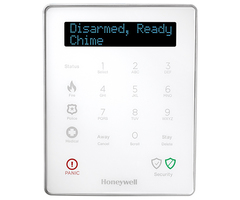
 Another panel option is the Honeywell Lyric Controller. The Lyric is the flagship alarm system from Honeywell, a company that has served as a leader in the security industry for decades. It comes WIFI ready, and it can interface with an impressive lineup of different security sensors. This includes the encrypted SiX Series Sensors, which are designed exclusively for the Honeywell Lyric System. The menus are easy to navigate, and getting started with the system is a breeze. With just a WIFI connection and an appropriate monitoring plan, a user can sync their Lyric with Total Connect. This service allows users to arm and disarm their system remotely and check the current status of their security sensors at any time. A special desk mount for the Lyric is available for purchase separately. This will allow the user to avoid mounting the panel to the wall.

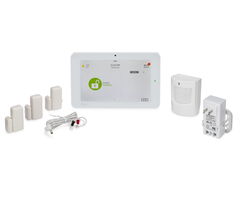
We also encourage users to check out our alarm system kits that include everything a new user needs to get started with a security system for their apartment. By going with a kit, a user can save a decent amount of money versus purchasing each component of the security system individually.
All About Sensors
The only types of alarm sensors that are used in most apartments are door and window contacts and motion detectors. Although other alarm sensors can definitely be used as well, they are usually unnecessary for an apartment. Just like with security panels, we advise users to install wireless sensors in an apartment. Wireless sensors are easy to program with an alarm system, and most are mounted using double-sided foam tape. This will prevent the user from having to drill any holes in their walls. Most wireless sensors will function for three to five years before requiring a simple battery replacement. If you are purchasing alarm sensors individually and not with a kit, make sure that the sensors you choose will interface with your alarm system.
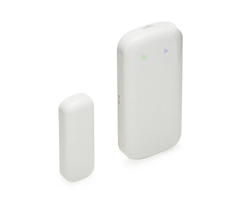
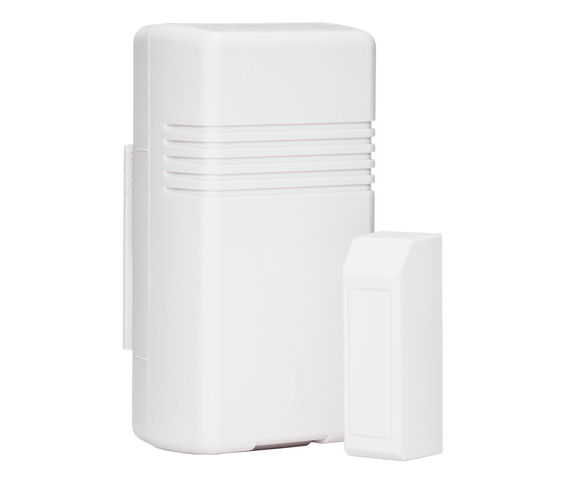
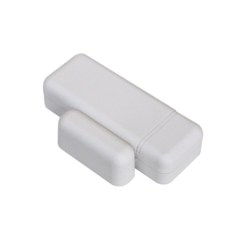
A door and window contact is used to let the system know whenever a door or window is opened. These are very simple devices that are easy to understand. Basically, a door and window contact consist of a sensor and a magnet. The sensor is applied on the frame of the door or window, and the magnet is applied on the door or window itself, within a half-inch of the sensor. Double-sided foam tape can secure both of these components. When the door or window is opened, the magnet will separate from the sensor. This will cause a reed switch inside the sensor to activate. When this happens, the sensor will send an signal to the alarm system to let it know about the event. The alarm system will then respond accordingly, based on the programmed Response Type for that zone. For apartments, we recommend using surface-mount contacts over recessed contacts. This is because recessed contacts require holes that are drilled into the door or window frame. If you are purchasing door and window contacts individually and not part of a kit, make sure that they are compatible with your alarm system. Putting a contact on the front door is an absolute must. Many users also place them on windows and interior doors.
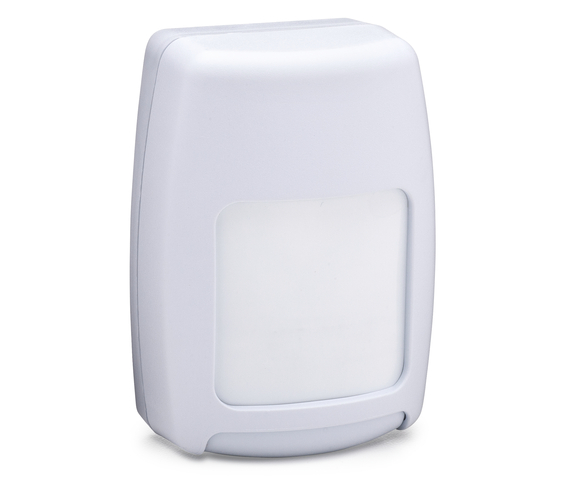
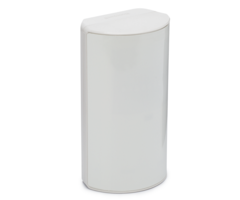
Motion detectors are also commonly used in apartments. Simply put, these devices recognize when motion is present, and they let the system know about the activity. A motion detector will certainly come in handy if an intruder is ever able to get inside the apartment without setting off a door or window contact. Most motion detectors operate using passive infrared (PIR) technology. This detection method involves looking out for the infrared energy given off by a potential intruder. When a PIR motion detector is activated, it will take a quick reading of the current infrared energy in the area. If a person or large object suddenly comes into the picture, it will cause a change in infrared energy. This will cause the motion sensor to activate, and the device will then send a signal to the alarm system to perform the programmed response. For most apartments, one motion detecting sensor is usually adequate. We recommend installing an apartment motion sensor in the main room for optimal sensor coverage.

Other alarm sensors are typically not as important for apartments. Glass break sensors can be used to monitor glass windows, but this is usually covered using window contacts and a motion sensor. However, some apartment residents may use a glass break sensor to monitor a glass casing or artwork. Most apartments already come included with a smoke detector. This means that purchasing a separate smoke detector for the alarm system is unnecessary. But a user may want to integrate the conventional smoke detector with their alarm system. For that, we recommend using a smoke detector takeover module, such as an Encore FireFighter FF345. This device will actively listen for the sound of an activated smoke detector. If it detects this type of sound, it will send a signal to the system and trigger an alarm event. If you do use a takeover module, make sure that the model you select is compatible with your alarm system. Finally, most apartment systems will not require any flood sensors since any failed HVAC unit or serious water leak is typically the responsibility of the apartment management.


Communication is Key
Unless you plan on staying home 24/7, you will want an alarm system that can send outbound signals in some way. For monitoring plans, there are two primary options. These are central monitoring plans and self-monitoring plans. The primary difference between these two types of monitoring plans is who is contacted when an alarm event occurs. With self-monitoring, the user will receive a text or email alert letting them know about the alarm. It is then up to the user to contact the appropriate authorities. But with central station monitoring, the alarm event is forwarded to a dedicated central station that operates 24/7. The central station will then request emergency help on the behalf of the user. Regardless of which type of monitoring is used, the alarm system must have some way of sending outbound alerts and reports.
Most alarm systems rely on cellular services or an internet (IP) connection as their primary communication path. Some alarm systems will use both of these communication methods for added reliability. The type of communication that is used will have an effect on the user's security setup and their monitoring plan. Cellular communication is considered to be more reliable than IP communication. This is because cellular service is almost never down, and it will still continue to operate in the event of a power outage. Also some interactive service platforms, like Alarm.com, require that the panel utilize a cellular connection, and they cannot be accessed using WIFI alone. But the advantage with IP communication is that it is usually less expensive than cellular monitoring. Additionally, while many panels already come WIFI ready, only a few can use cellular communication without a separate cellular communicator being added. Overall, the choice between IP and cellular comes down to the type of alarm system the user has and how reliable they want their system to be.

Additional Features and Possible Add-Ons
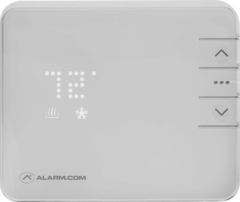
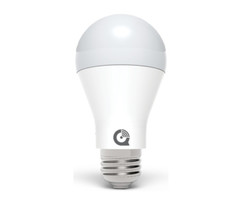
Some apartment residents might want their alarm system to go beyond just performing security tasks. Many newer alarm systems come complete with a Z-Wave controller for operating Z-Wave home automation devices. However, most apartments will only allow users to take advantage of Z-Wave lights. These lights can be operated right from the alarm panel or using an interactive service like Total Connect or Alarm.com. Other popular Z-Wave devices include Z-Wave thermostats and Z-Wave door locks, but these are less likely to be used in apartment. A Z-Wave thermostat allows a user to adjust the temperature inside their residence from virtually anywhere. But many users might not feel comfortable replacing their apartment's standard thermostat with their own. Z-Wave locks allow users to lock or unlock their doors remotely. They can also unlock the door and disarm their system simultaneously by entering in a valid system code into the keypad on the Z-Wave door lock. Unfortunately, most landlords will not allow apartment occupants to change the locks on their doors. With those considerations in mind, Z-Wave home automation is often skipped by apartment residents. Still, the features are always available if the user ever does decide to use them.
A greater number of apartment residents will take advantage of an interactive service with their system. These services allow users to access their alarm systems from anywhere using a convenient and easy to use mobile app. By accessing this type of service, a user can arm or disarm their system, check the status of sensors and control their Z-Wave devices from almost anywhere. These services are also used to contact the user during an alarm event. Two popular interactive service platforms for alarm systems are Total Connect and Alarm.com. Total Connect is designed exclusively for use with Honeywell Alarm Panels, while Alarm.com will work with systems from many different companies, including Qolsys and 2GIG. To access the Alarm.com service, cellular communication is required. Bu with Total Connect, an IP connection or a cellular connection can be used. Both services offer similar functions and features, so the one that is used will really depend on the alarm system being used. Most monitoring plans include this type of service, so the user should take full advantage of it.
Finally, some users may decide to use additional add-ons with their security setups. That said, these are also less commonly used with apartment systems. A secondary keypad can provide an additional point of access for an alarm system. But since most apartments are relatively small, this is usually unnecessary. A wireless repeater can extend the range of wireless sensors. But again, since most apartments are quite small this is also usually not needed. If the setup is based around a hardwired system, then a wireless receiver is needed to use wireless sensors. For apartments though, we strongly encourage users to use wireless systems instead of hardwired panels. Finally, some users may want to use security cameras with their setup. These devices are easy to use and install, and many indoor cameras don't require any drilling. However, a user will most likely need to upgrade their monitoring plan if they want to use security cameras.

Conclusion
Getting started with an apartment alarm system is very easy. In most cases, fewer sensors and add-ons are required. A wireless panel and sensors will make it for easy for DIY users to setup their systems without having to drill any holes or perform any wiring. Once everything is setup, a user will receive complete piece of mind in knowing that their residence is fully protected. Now is a better time than ever to get started with home security. Get an alarm system for your apartment today!


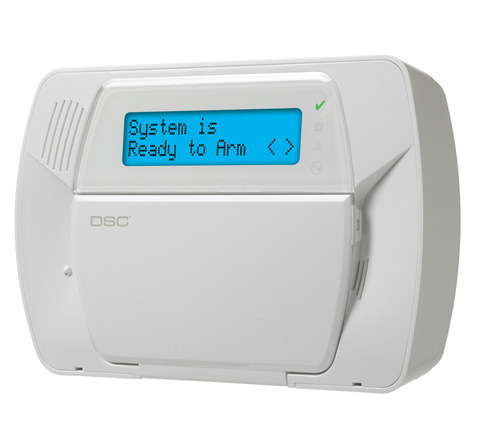 We are also extremely excited to offer the new DSC PowerG Sensors as well. These are some of the most powerful and versatile security sensors we have ever seen. The PowerG Sensors operate at a wireless frequency of 915 MHz, which prevents them from interfering with system peripherals that operate on the lower 300-400 MHz bands. What makes these sensors particularly amazing is their ability to operate nearly half a mile away from an alarm system in an indoor setting. This makes them perfect for many applications, such as in barns or detached garages. All PowerG Sensors are also protected by 128-bit AES encryption to prevent them from being taken over.


